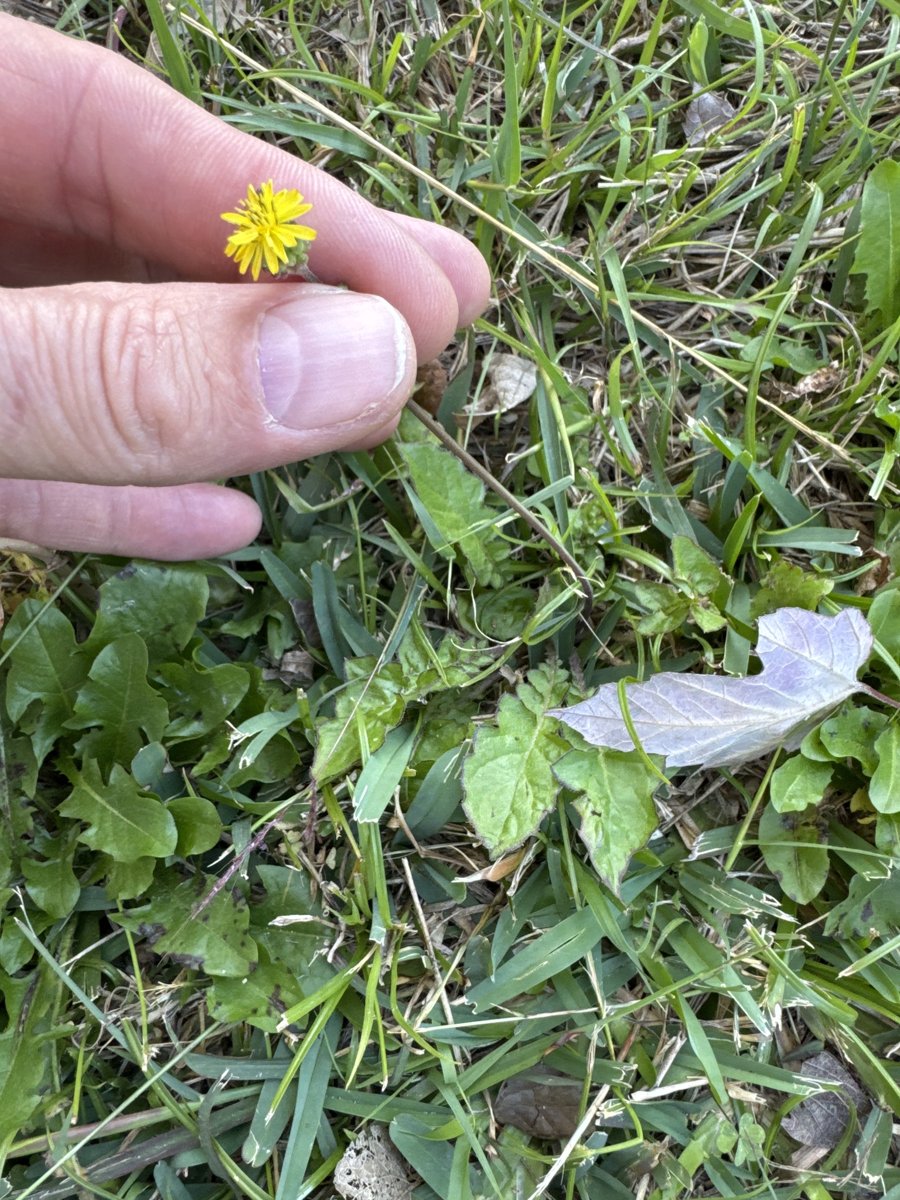
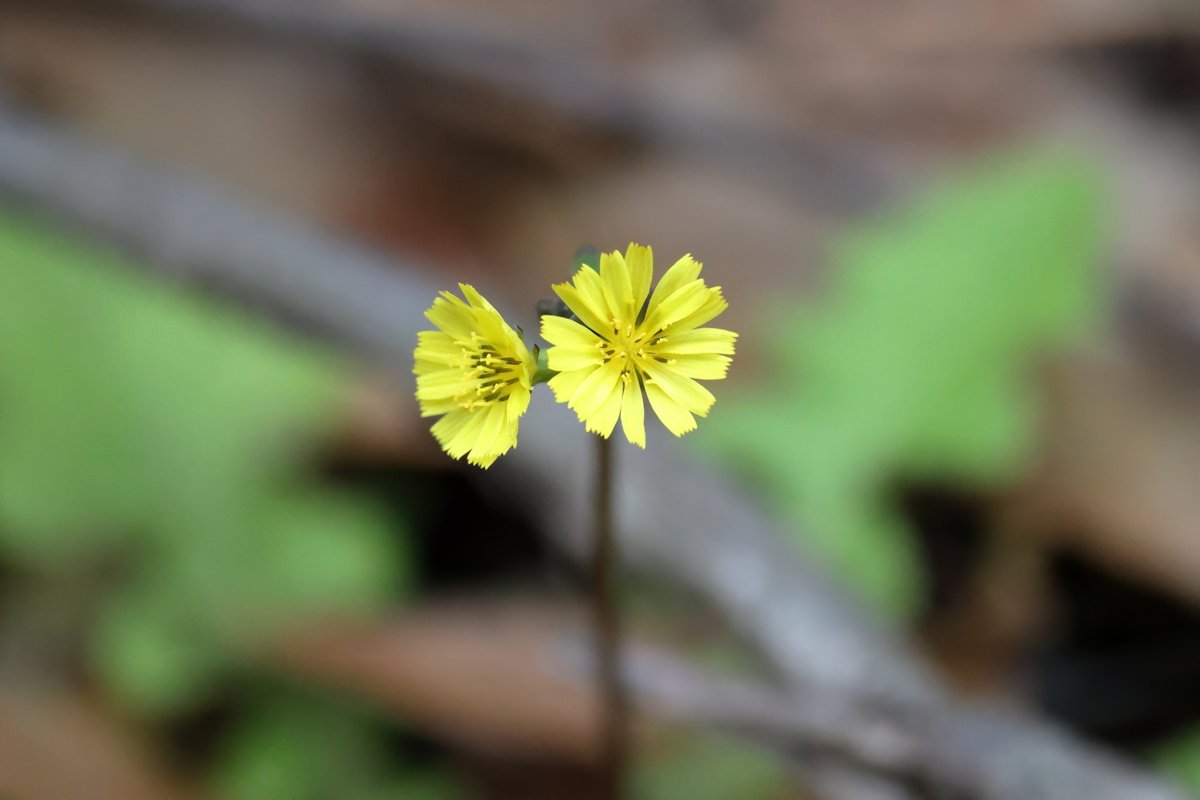
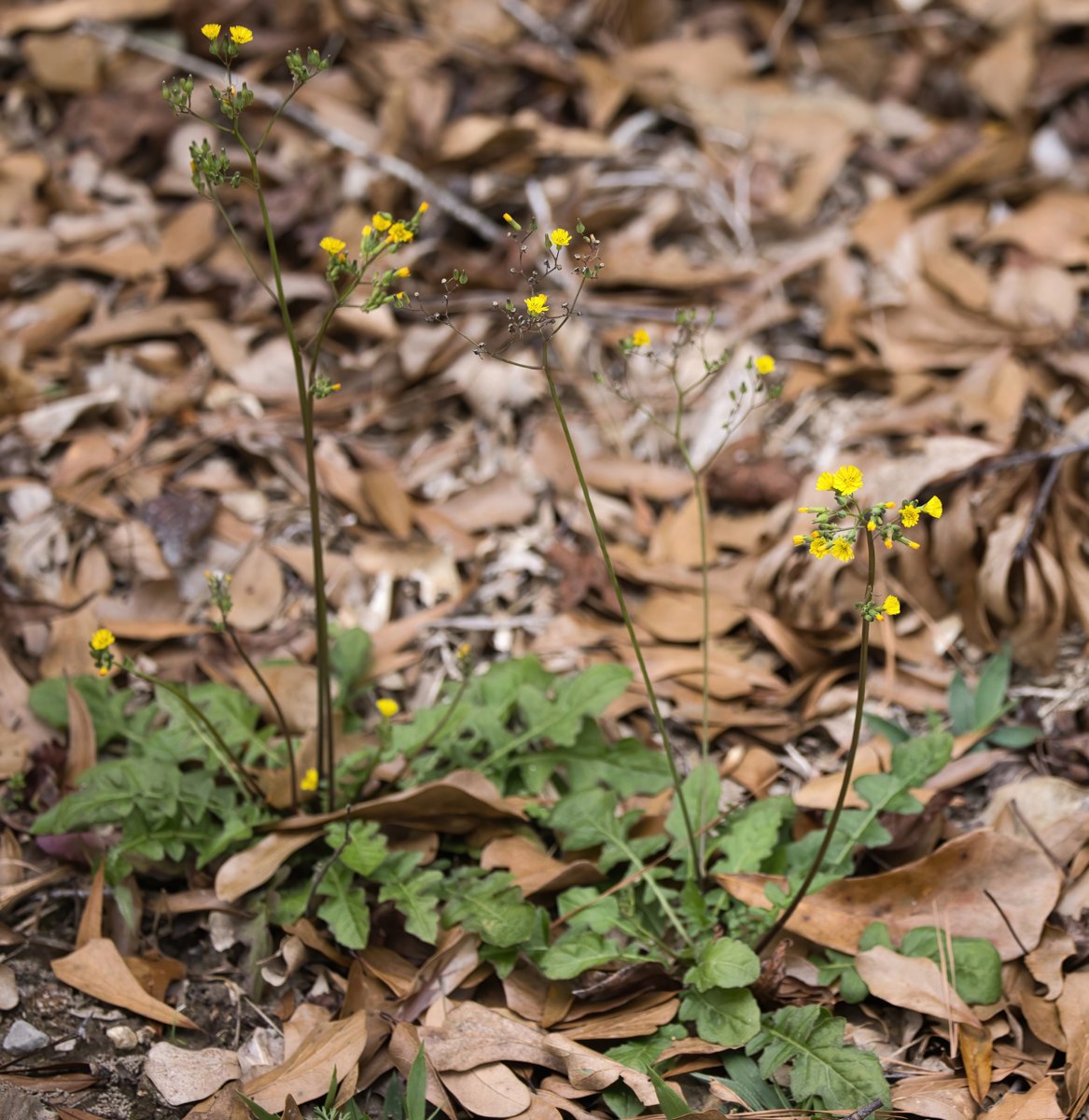
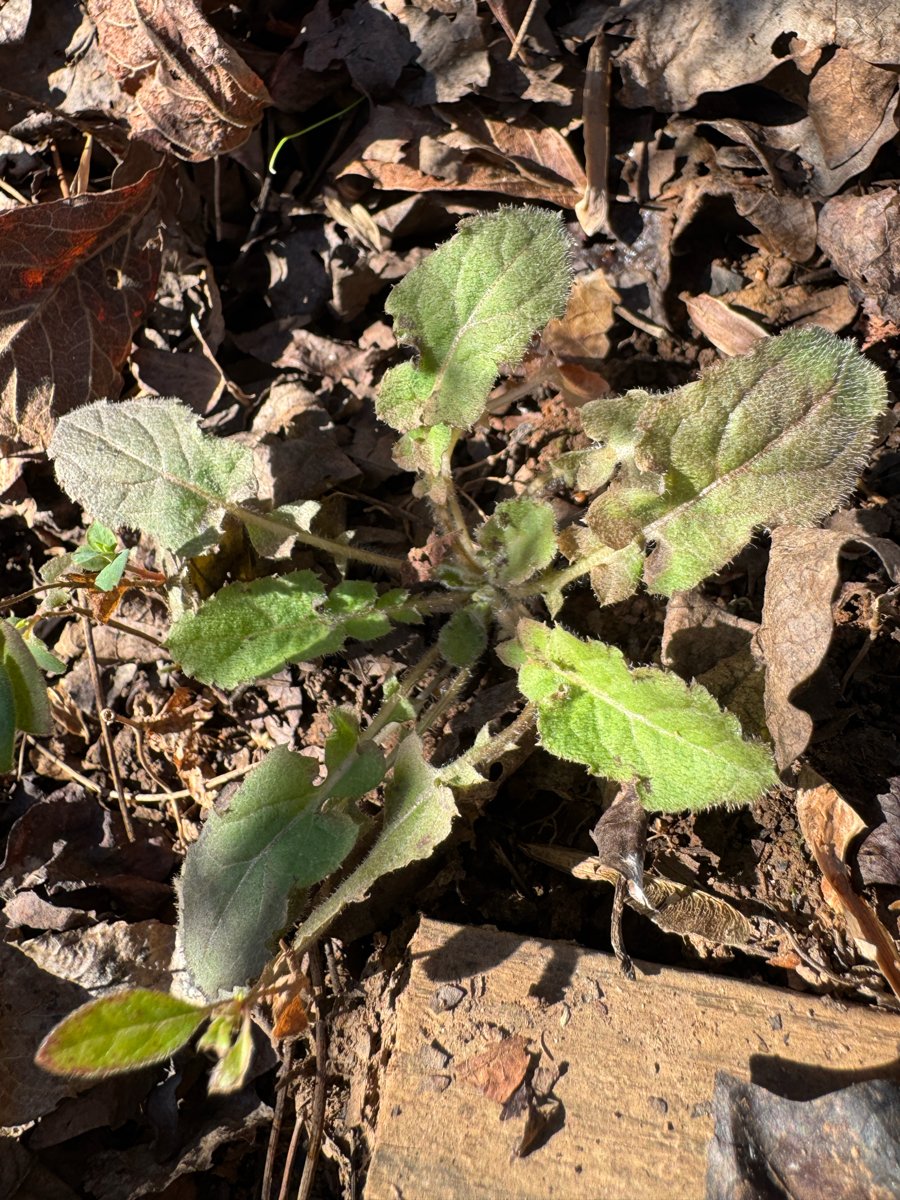
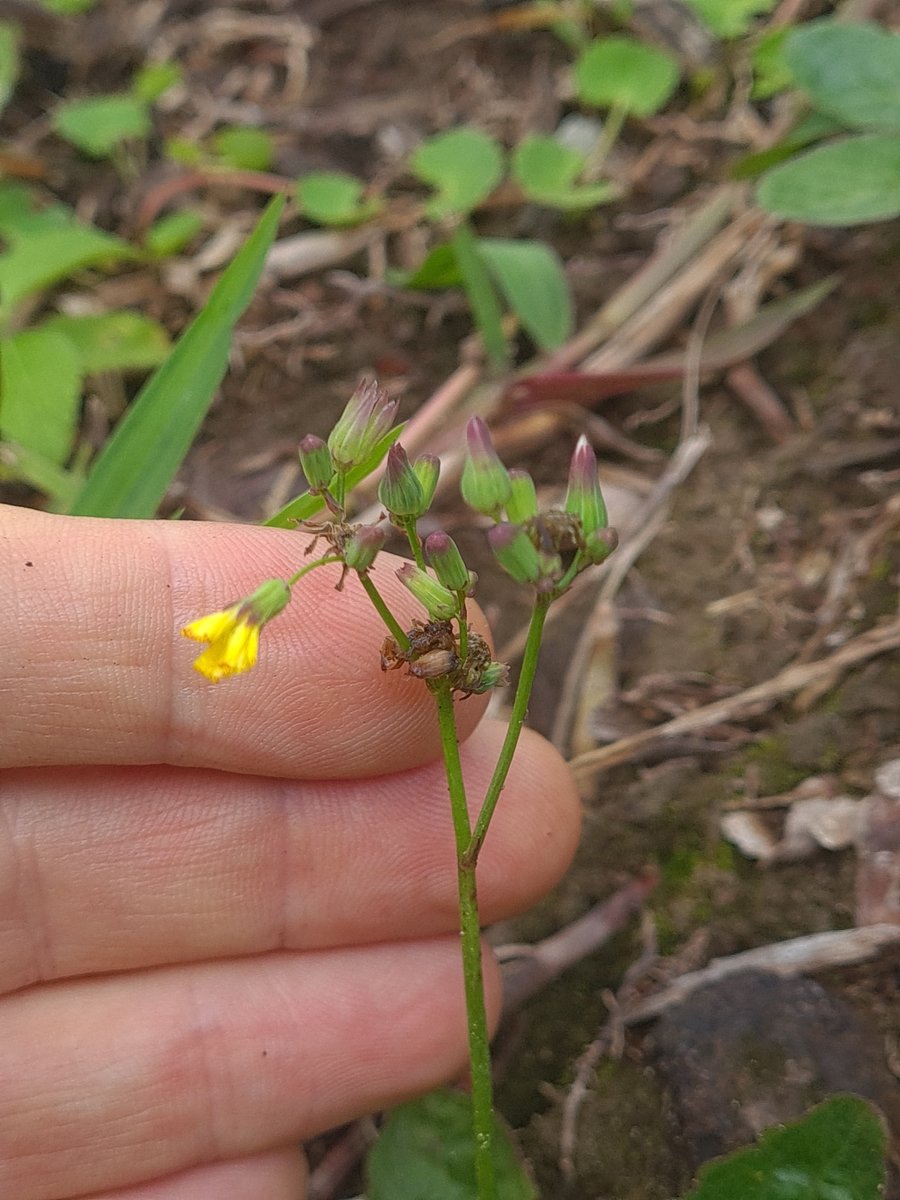
Japanese Hawkweed
Youngia japonica
| Scientific Name | Youngia japonica |
| Safety Rating | N/A |
| Evidence Level | N/A |
Youngia japonica is a perennial herb in the Asteraceae family, commonly called Japanese hawkweed. It is traditionally used for its anti‑inflammatory and digestive‑supportive properties, helping to relieve abdominal pain, reduce diarrhea, and aid liver function. While generally considered safe, the plant can cause skin irritation or allergic reactions in some people, and its interactions with blood thinners or other medications are not well documented, so use with caution.
Source: https://en.wikipedia.org/wiki/Japanese_Knotweed, PMC: Terminalia Chebula, PMC: Japanese Knotweed
8 products from NIH DSLD database (verified label data)
| Product | Price |
|---|---|
| Hawkweed | - |
| Hawkweed 450 mg | - |
| Hawkweed Chocolate Flavor | - |
| Hawkweed Mint Flavor | - |
| Hawkweed Powder | - |
| Hawkweed Powder | - |
| Hawkweed Strawberry Flavor | - |
| Hawkweed Vanilla Flavor | - |
| Herb | Scientific Name | Why related |
|---|---|---|
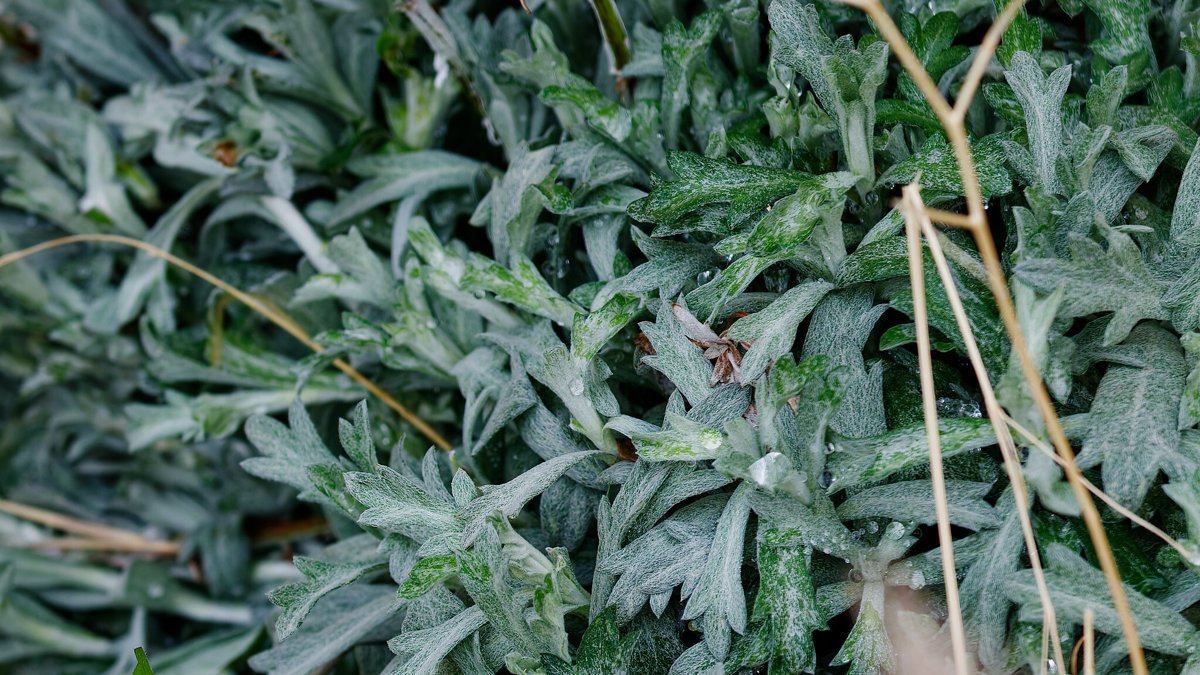 Artemisia Ludoviciana |
Artemisia ludoviciana | similar summary terms |
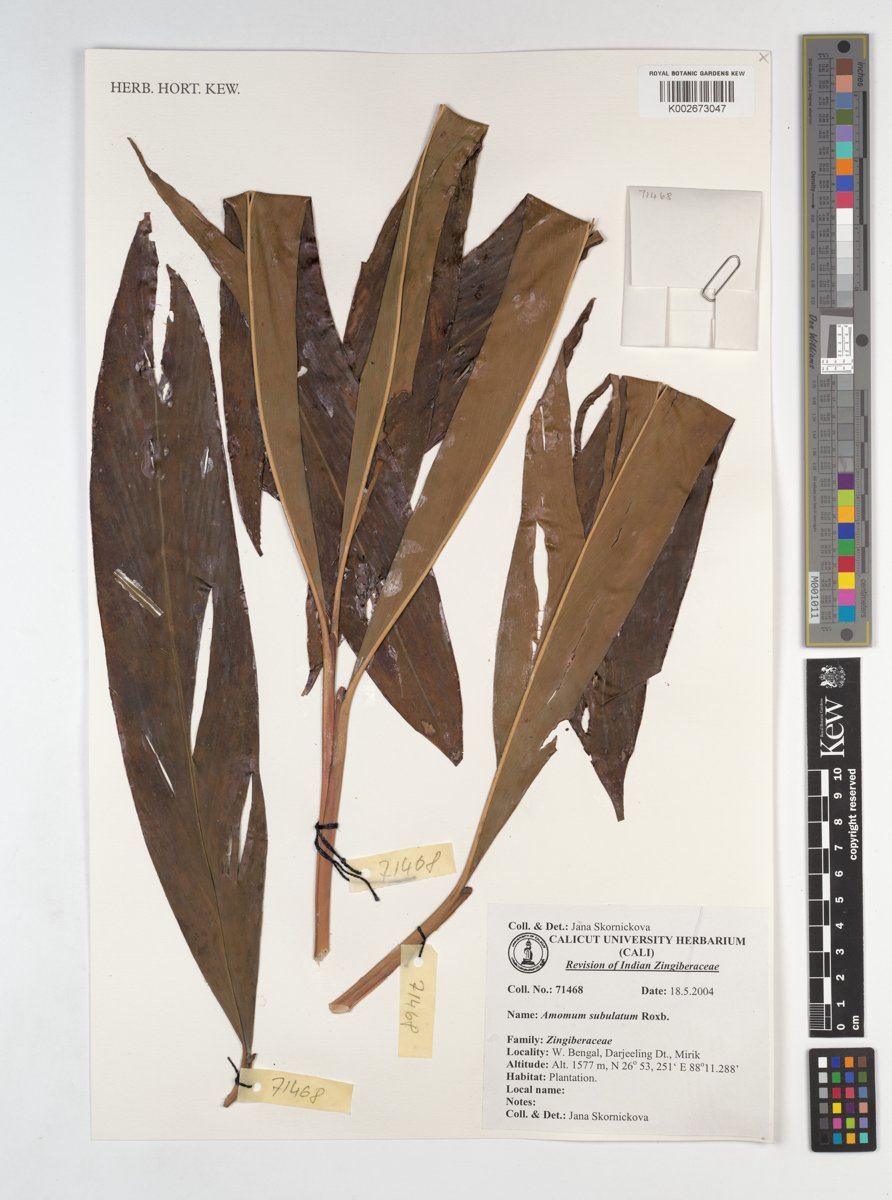 Black Cardamom |
Amomum subulatum | similar summary terms |
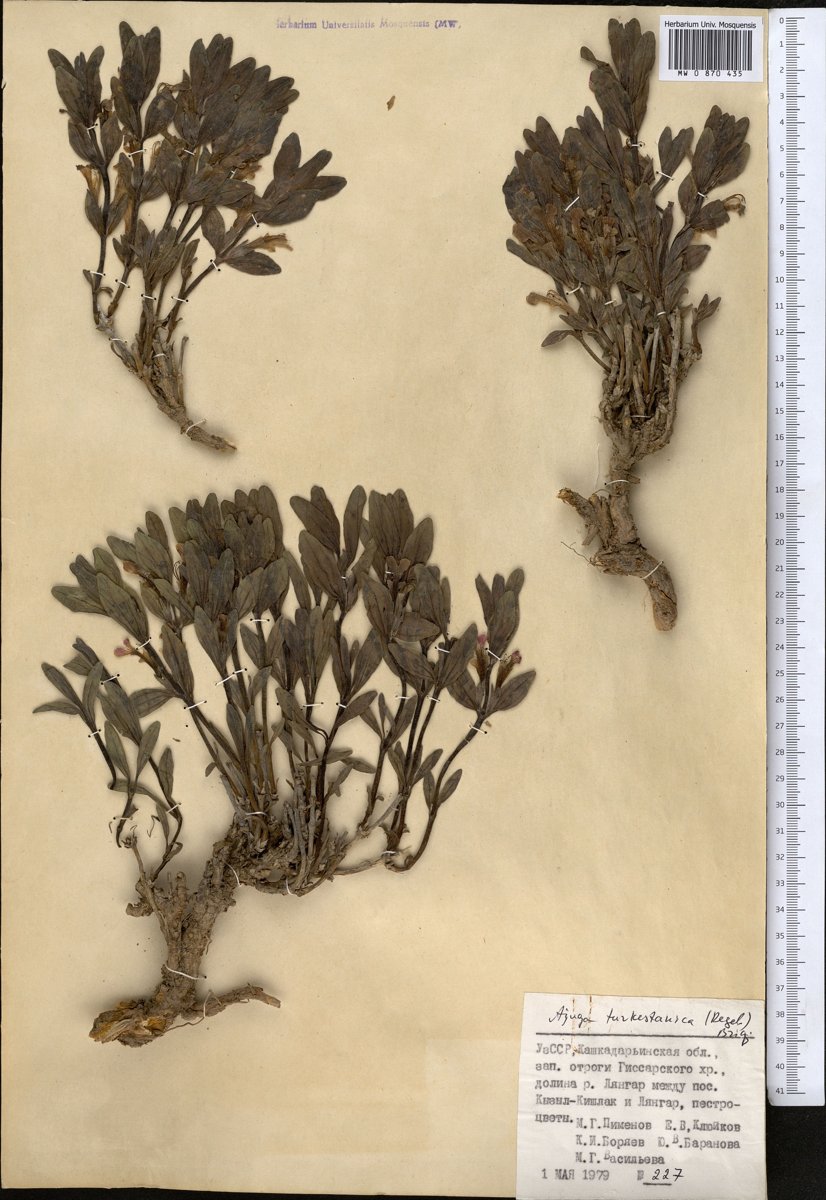 Ajuga Turkestanica |
Ajuga turkestanica | similar summary terms |
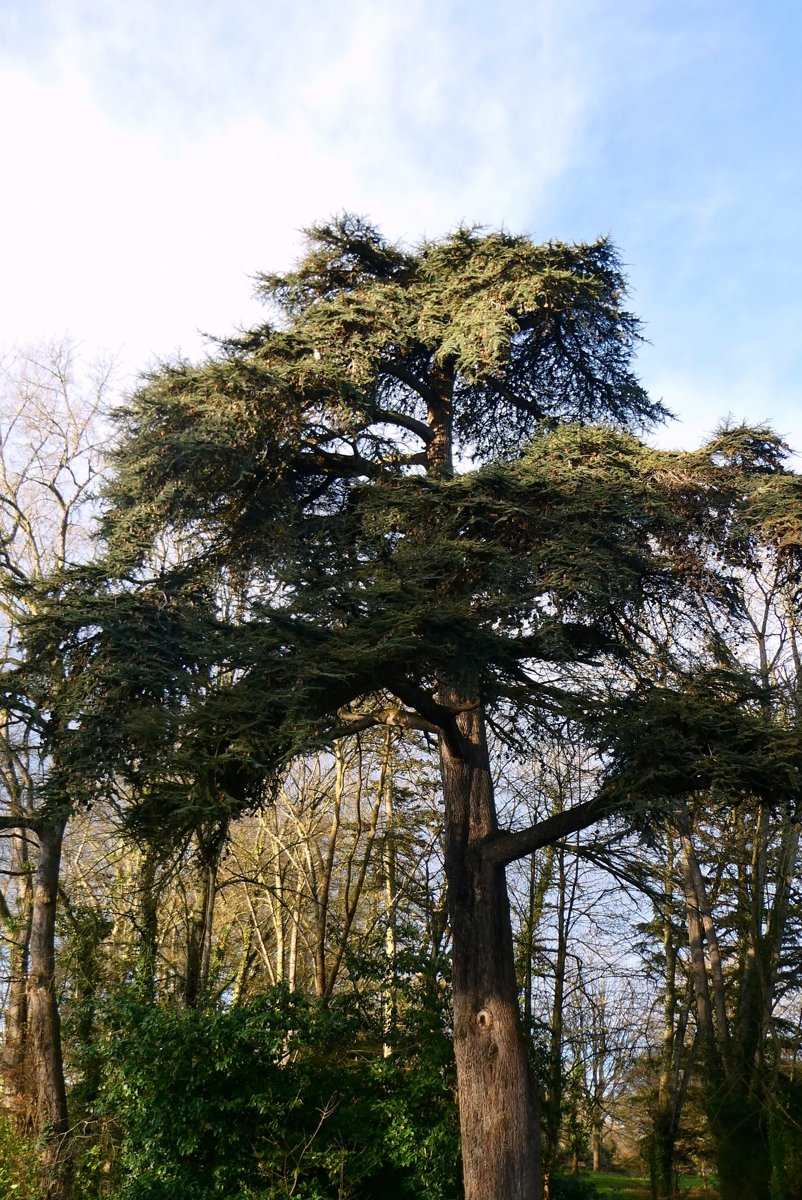 Cedar Lebanon |
Cedrus libani | similar summary terms |
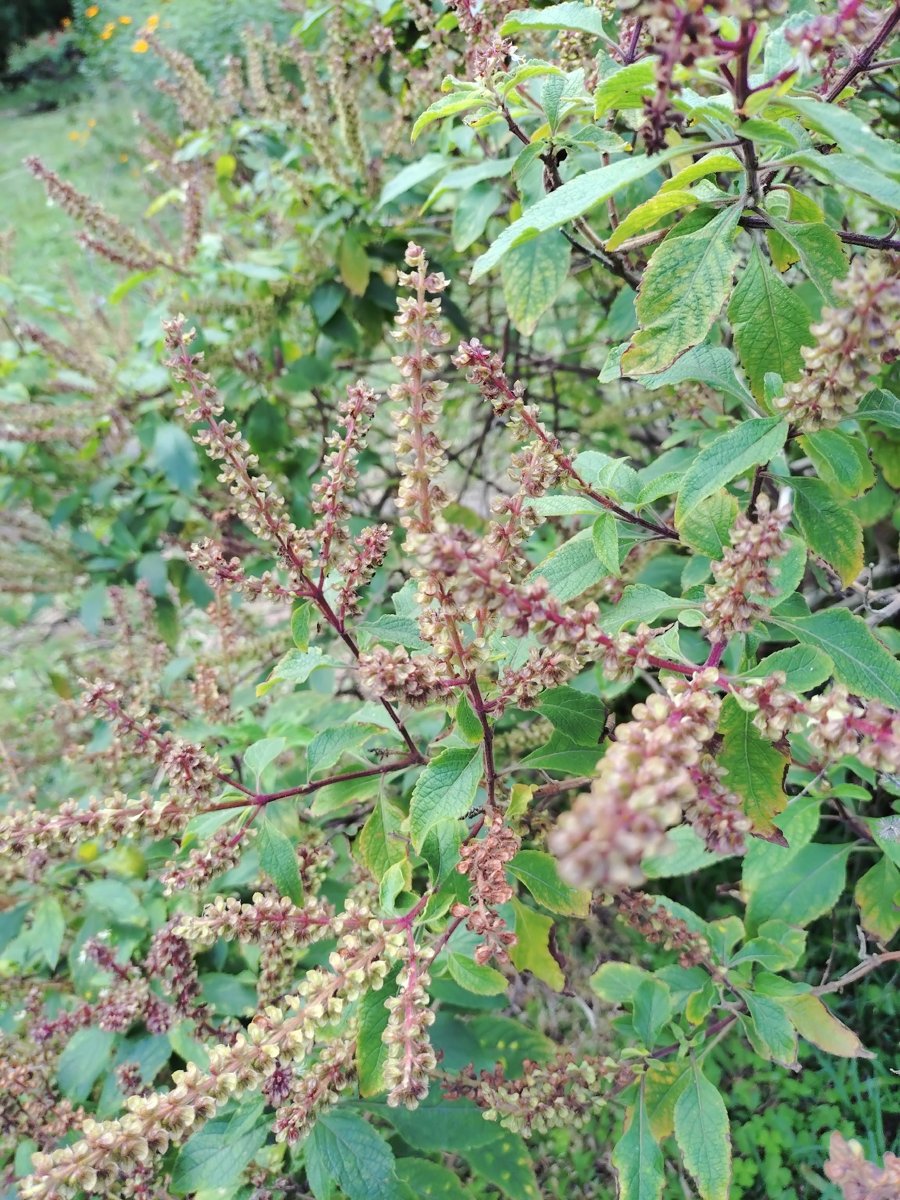 African Basil |
Ocimum gratissimum | similar summary terms |
Ask the RAG about Japanese Hawkweed — get evidence-based answers from WHO monographs and pharmacognosy textbooks.
Or browse the product search to find more products.